Few property emergencies are as hazardous and distressing as a sewage backup. Unlike clean water leaks, sewage intrusions introduce contaminated water filled with bacteria, viruses, parasites, and toxic gases into living or working spaces. The sight and smell alone can be overwhelming, but the real danger lies in the invisible health threats and structural damage that follow. Sewage backup cleanup is not simply a matter of drying out a room; it is a complex restoration process that demands immediate action, proper containment, and professional-grade sanitation. Understanding the health risks and Water Damage Restoration Salt Lake City solutions associated with sewage damage is essential for protecting both property and occupants.
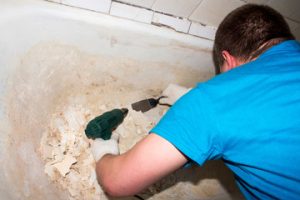
A sewage backup typically occurs when wastewater lines become blocked, overwhelmed, or damaged. Heavy rainfall, clogged drains, tree root intrusion, broken sewer lines, and aging plumbing systems are common contributing factors. When wastewater cannot flow away from a property as intended, it reverses direction and re-enters the building through floor drains, toilets, sinks, or basement fixtures. This type of contamination is classified as highly hazardous because it contains organic waste, harmful microorganisms, and chemical pollutants. Immediate sewage backup cleanup is necessary to prevent widespread contamination and reduce serious health risks.
The health implications of sewage exposure are significant. Wastewater contains pathogens capable of causing gastrointestinal illness, respiratory infections, skin irritation, and more severe complications in vulnerable individuals. Direct contact with contaminated water can result in infections, while airborne particles released during drying can affect indoor air quality. Prolonged exposure increases the risk of disease transmission and can exacerbate existing health conditions. Children, elderly individuals, and those with compromised immune systems are particularly susceptible to adverse effects. Prompt and thorough sewage backup cleanup is therefore not only about restoring property but also safeguarding human health.
One of the most pressing health concerns related to sewage contamination involves microbial growth. Sewage provides an ideal breeding ground for bacteria and mold. Within hours, contaminated moisture begins soaking into porous materials such as drywall, insulation, carpet, and wood framing. If not removed quickly, these materials can harbor microbial colonies that spread beyond the original affected area. Mold spores thrive in damp environments and can develop rapidly following a sewage incident. Once established, mold remediation becomes an additional layer of restoration complexity. Fast action significantly reduces this risk.
Sewage gases also pose hidden dangers. Decomposing waste releases gases such as methane and hydrogen sulfide, which can cause headaches, nausea, dizziness, and respiratory irritation. In high concentrations, these gases may even create explosive conditions in confined spaces. Proper ventilation during sewage backup cleanup is critical to ensure safe air quality levels. Restoration professionals often use specialized air scrubbers and filtration systems to remove airborne contaminants and neutralize odors effectively.
When facing a sewage backup, immediate response is essential. The first priority is safety. Property owners should avoid direct contact with contaminated water and refrain from attempting extensive cleanup without protective equipment. Protective gloves, boots, and respiratory masks are necessary to reduce exposure risks. If the sewage backup is extensive, it is advisable to vacate the affected area until proper cleanup and sanitation are completed.
Effective sewage backup cleanup generally follows a structured restoration process. The steps typically include:
- Containment of the affected area to prevent cross-contamination.
- Removal of standing sewage water using professional extraction equipment.
- Disposal of porous materials that cannot be safely salvaged.
- Thorough cleaning and disinfection of all exposed surfaces.
- Structural drying using industrial air movers and dehumidifiers.
- Odor control and air purification to restore indoor air quality.
Each of these steps must be executed carefully to ensure complete remediation and prevent long-term consequences.
Containment is particularly important during sewage cleanup. Without proper barriers, contaminated water can spread to unaffected rooms through foot traffic or airflow. Professionals use plastic sheeting and negative air pressure systems to isolate impacted areas. This prevents pathogens from traveling to other parts of the property and minimizes overall damage. Containment measures also help control odors and improve safety for occupants and restoration crews.
Water extraction is another critical component. Unlike clean water damage, sewage water cannot simply be dried in place. It must be completely removed using high-capacity pumps and vacuums designed for hazardous materials. Any remaining residue can continue to harbor bacteria and emit foul odors. Thorough extraction reduces saturation levels and prepares surfaces for deep cleaning and disinfection.
One of the most challenging aspects of sewage backup cleanup is determining which materials can be salvaged. Non-porous materials such as metal, glass, and certain plastics may be disinfected successfully. However, porous materials like carpeting, upholstered furniture, drywall, and insulation often absorb contaminants deeply. In many cases, these materials must be removed and disposed of properly to prevent future health hazards. Attempting to salvage heavily contaminated items can result in lingering odors and microbial growth.
After removal and disposal, comprehensive sanitation begins. Professional-grade antimicrobial agents are applied to eliminate bacteria, viruses, and fungi. This process involves more than surface cleaning; it includes scrubbing, disinfecting, and sometimes fogging treatments to reach hidden crevices. The goal is to neutralize pathogens and create a safe, habitable environment once again. Without proper sanitation, residual contamination may persist and compromise indoor air quality.
Structural drying follows sanitation. Even after contaminated water is extracted, moisture can remain trapped within subflooring, wall cavities, and structural framing. Industrial air movers accelerate evaporation, while dehumidifiers remove excess humidity from the air. Moisture monitoring tools are used to confirm that materials have returned to acceptable dryness levels. Thorough drying is essential to prevent secondary mold growth and structural weakening.
Odor control is often one of the most noticeable concerns after a sewage incident. Persistent odors indicate incomplete cleanup or hidden contamination. Advanced deodorization techniques, including air scrubbers with high-efficiency filtration and thermal fogging, neutralize odor molecules at their source rather than masking them. Restoring fresh indoor air quality improves occupant comfort and signals that the environment has been properly remediated.
Beyond immediate cleanup, prevention plays a crucial role in protecting properties from future sewage backups. Regular plumbing inspections, drain maintenance, and sewer line evaluations help identify potential blockages before they escalate. Installing backflow prevention devices can also reduce the risk of wastewater reversing into the property. Property owners should remain vigilant for warning signs such as slow drains, gurgling sounds, or unpleasant odors near plumbing fixtures. Addressing these issues early can prevent costly emergencies.
Financially, sewage backup cleanup can be significant, particularly if structural materials require replacement. However, delaying professional restoration often results in even greater expenses due to mold remediation, extensive reconstruction, or health-related complications. Rapid response minimizes overall damage and shortens downtime. In commercial settings, this can mean the difference between temporary disruption and prolonged closure.
Insurance considerations are another important factor. Many property insurance policies include provisions for water damage, but coverage for sewage backups may require specific endorsements. Prompt documentation of the damage, including photographs and written descriptions, supports claims and accelerates processing. Working with experienced restoration professionals can also streamline communication with insurers by providing detailed assessments and cost breakdowns.
Understanding the long-term implications of improper sewage cleanup reinforces the importance of professional intervention. Residual contamination left behind can deteriorate building materials over time, weaken structural integrity, and create recurring odor issues. Hidden moisture pockets may trigger mold growth weeks after the initial incident. Comprehensive restoration addresses both visible damage and concealed risks, ensuring that the property remains safe and structurally sound.
To summarize the key health risks associated with sewage backups:
- Exposure to bacteria, viruses, and parasites that cause illness.
- Respiratory irritation from airborne contaminants and gases.
- Mold growth due to prolonged moisture exposure.
- Chemical pollutants that may contaminate surfaces and belongings.
These risks underscore why sewage backup cleanup should never be approached casually or handled with inadequate equipment.
Sewage incidents are undeniably disruptive, but they are manageable with swift and professional action. The combination of containment, extraction, sanitation, drying, and odor control forms the foundation of effective restoration. Each step plays a vital role in eliminating contaminants and restoring a safe indoor environment.
Ultimately, sewage backup cleanup is about more than removing waste; it is about restoring safety, structural stability, and peace of mind. Acting quickly reduces health risks, limits property damage, and shortens recovery time. By understanding the dangers associated with sewage contamination and relying on proven restoration solutions, property owners can navigate this challenging situation with confidence and protect their investment for the long term.