Jobs in Metal Fabrication

Metal fabrication is more than just shaping raw materials into finished products; it is an industry filled with diverse career paths, specialized skills, and long-term growth opportunities. As modern industries continue to evolve, the demand for skilled professionals in metal fabrication remains strong. From creating structural components to crafting custom-designed pieces, fabrication professionals play a vital role in building and maintaining the world around us. The field attracts individuals who enjoy working with their hands, solving technical challenges, and contributing to projects that have real-world impact.

One of the reasons metal fabrication offers such a wide range of job opportunities is the complexity of the production process itself. Every project begins with an idea that must be transformed into a precise, functional design. This process requires a variety of professionals, each bringing a unique set of skills to the table. Some workers focus on planning and design, while others specialize in operating machinery, welding components, or assembling finished products. The collaborative nature of fabrication creates a dynamic environment where teamwork and technical knowledge go hand in hand. Learn more by visiting https://www.83metalcraftboise.com/.

metal fabrication

At the entry level, many individuals begin their journey in metal fabrication through hands-on roles that provide practical experience with tools and materials. These positions allow workers to develop a deep understanding of how metal behaves during cutting, bending, and welding processes. Over time, employees often advance into more specialized roles as they gain confidence and technical expertise. This progression makes fabrication an appealing career path for those who value continuous learning and professional growth.

Technology has significantly influenced the types of jobs available within metal fabrication. Modern fabrication shops often rely on digital design tools, automated machinery, and advanced welding techniques to improve accuracy and efficiency. As a result, the industry now offers opportunities that blend traditional craftsmanship with modern technology. Individuals with an interest in engineering concepts or computer-aided design can find rewarding roles that combine creativity with precision. At the same time, hands-on tradespeople remain essential to ensure quality control and proper execution of complex projects.

Some of the most common job roles in metal fabrication highlight the diversity of the field:

Metal fabricators and assemblers: These professionals cut, shape, and assemble metal components based on detailed specifications, ensuring that each piece fits perfectly within a larger structure.

Welders: Skilled welders join metal parts together using specialized techniques that require precision, patience, and a strong understanding of safety practices.

Machine operators: These workers manage advanced equipment that performs cutting, bending, or forming tasks, maintaining consistency and efficiency throughout production.

Design technicians: Using digital modeling tools, design professionals create blueprints and simulations that guide the fabrication process from start to finish.

Each of these roles contributes to the success of fabrication projects, demonstrating how teamwork and specialization drive the industry forward.

Another important aspect of jobs in metal fabrication is the emphasis on skill development. Unlike many careers that rely solely on academic knowledge, fabrication places a strong focus on hands-on training. Workers often learn by doing, gaining experience through real-world projects that challenge their abilities and encourage problem-solving. Apprenticeships and on-the-job training programs allow newcomers to develop technical skills while earning a living, making fabrication an accessible option for individuals who prefer practical learning environments.

Safety plays a critical role in fabrication jobs, and professionals in the field are trained to handle tools and materials responsibly. Protective equipment, proper ventilation, and adherence to established procedures help reduce risks while ensuring a productive workspace. Over time, workers become highly aware of best practices, developing habits that prioritize both personal safety and the quality of their work. This focus on safety not only protects employees but also reinforces the professionalism and discipline required in the industry.

As fabrication technology continues to evolve, the industry has seen a growing demand for specialized knowledge. Modern fabrication shops often incorporate automation and digital systems that require workers to understand both mechanical processes and technical software. This shift has created new career paths for individuals interested in combining traditional trades with advanced technology. Those who invest in learning new skills often find opportunities for advancement, taking on leadership roles or managing complex projects.

Beyond technical skills, soft skills also play a significant role in fabrication careers. Communication, teamwork, and attention to detail are essential for ensuring that projects run smoothly from concept to completion. Workers must interpret design plans accurately, coordinate with colleagues, and adapt to changing project requirements. The ability to think critically and solve unexpected problems is highly valued, as fabrication projects often involve unique challenges that require creative solutions.

Another appealing aspect of jobs in metal fabrication is the variety of industries they support. Fabricated metal components are used in construction, manufacturing, transportation, and design applications, among others. This broad reach means that workers have the opportunity to explore different types of projects throughout their careers. Some professionals may focus on structural fabrication, while others specialize in artistic metalwork or precision components. The diversity of projects keeps the work engaging and allows individuals to develop a wide range of skills.

Career growth in metal fabrication often follows a progression based on experience and specialization. Entry-level workers can advance into supervisory or technical roles as they build expertise. For example, a machine operator might transition into a programming or maintenance role, while a welder could move into inspection or quality assurance. Leadership positions are also available for those who demonstrate strong organizational skills and a deep understanding of fabrication processes. This upward mobility makes fabrication an appealing long-term career choice.

Several qualities can help individuals succeed in metal fabrication careers:

Attention to detail: Precision is essential when working with metal components, as even small errors can affect the overall structure.

Mechanical aptitude: Understanding how tools and machines operate helps workers perform tasks efficiently and safely.

Adaptability: As technology evolves, professionals must be willing to learn new techniques and embrace innovation.

Strong work ethic: Fabrication projects often require patience and dedication, especially when working on complex designs.

These qualities highlight the blend of technical and personal attributes needed to thrive in the industry.

The rise of customization has also influenced the types of jobs available in metal fabrication. As clients seek unique designs and tailored solutions, fabrication professionals are often involved in collaborative projects that require creative input. This trend has expanded opportunities for designers, artists, and craftspeople who want to explore the artistic side of metalwork. Custom fabrication allows workers to experiment with new ideas while delivering functional results, making the field both technically challenging and creatively rewarding.

In addition to creative opportunities, metal fabrication offers stability and long-term potential. As infrastructure continues to develop and industries require durable materials, the need for skilled fabricators remains consistent. Many workers appreciate the tangible nature of the job, where they can see the results of their efforts in finished structures or products. This sense of accomplishment contributes to job satisfaction and reinforces the value of skilled trades in modern society.

Education and training pathways for metal fabrication careers vary depending on the role. Some individuals pursue technical courses that introduce them to welding, machining, or design principles, while others enter the field through apprenticeships that provide hands-on experience from day one. Continuous learning is common, as professionals often attend workshops or training sessions to stay updated on new technologies and industry standards. This commitment to growth ensures that workers remain competitive and capable of handling evolving project demands.

Looking toward the future, jobs in metal fabrication are likely to expand as new technologies emerge. Automation, digital modeling, and advanced materials are reshaping the industry, creating opportunities for individuals who are willing to adapt and innovate. While machines can improve efficiency, the expertise of skilled professionals will always be essential for overseeing processes, ensuring quality, and bringing creative visions to life. The balance between technology and human craftsmanship will continue to define the future of fabrication careers.

Ultimately, metal fabrication offers a unique blend of practicality, creativity, and innovation. Whether someone is interested in hands-on craftsmanship, technical design, or advanced machinery, the industry provides a pathway to meaningful and rewarding work. The variety of roles, opportunities for growth, and constant evolution of technology make fabrication an exciting field for those who enjoy building, creating, and problem-solving.

As industries continue to change and new challenges arise, the importance of skilled fabrication professionals will remain strong. Jobs in metal fabrication represent more than just employment; they embody the spirit of craftsmanship and the pursuit of excellence. By combining traditional skills with modern innovation, workers in this field help shape the structures, products, and designs that define modern life. For those seeking a career that offers both stability and creativity, metal fabrication stands as a powerful and enduring choice.

Visit our Professional Services Blogs

Hialeah Tree Care, SASA Net, Scoop Medias, Durant Tree Care, Medellin Landscape Solutions, Oakland Lawn Mowing, Wisconsin Lawn Sprinkler, Schoettler Home Improvements, Siding Options Home, Bilbao Architecture Design


Landscaping Services for Property Managers

Landscaping Oahu

Landscaping Oahu enhances property value, attracts tenants, and supports lease renewals. A commercial landscape service provider can provide a multitude of services for multifamily properties.

A responsive landscaping company is a lifesaver for busy property managers. When a storm rolls in, or an unexpected tree branch falls, your team will be there to keep things looking their best.

Keeping Your Eyes on the Yard

Keeping an eye out for debris, dust and dirt that can irritate or damage your eyes is one of the most important things you can do to protect your vision while working outdoors. Eye injuries are a common problem for anyone who mows the lawn or performs other yard work, and many can be prevented with proper precautions and eyewear.

A landscaping management vendor that offers a variety of services beyond basic lawn care will be able to save your property time and money by providing more comprehensive maintenance. The services offered by Vaughn’s Lawncare Landscaping of New York City, NY, for example, include tree and shrub pruning, weeding, fertilization, soil audits and pest control with environmentally friendly pesticides. Scheduled services range from weekly to monthly and can be centered on the entire property, or a small area like a courtyard or entrance.

Finding a consolidated service partner that offers janitorial, landscape, handyman, and waste management is a great way to reduce the amount of paperwork and redundancies that can lead to mistakes and escalating costs. OpenWorks offers multifamily landscape and janitorial solutions through one point of contact, increasing efficiency and visibility.

Keeping Your Tenants Happy

Keeping your tenants happy is a major part of property management. After all, they pay your rent, notify you of problems promptly, and generally help make your business a success. You can thank them by providing a friendly, helpful environment that meets their needs. That includes timely responses to their requests, as well as a well-maintained landscaping that shows you care about your property and are interested in helping your tenants succeed.

Your landscaping can help direct traffic flow in your parking lots, highlight unique architectural elements in your building or entryway, accentuate positive aspects of your multifamily housing units, and more. It also helps reduce debris and sedimentation from entering storm drains, which can lead to standing water and pollution in lakes, rivers, and streams. A landscaping management company like OpenWorks can help you provide these services by delivering a single point of contact and consolidated facilities maintenance services that are coordinated through a single data platform to improve oversight and efficiency.

Keeping Your Curb Appeal High

Your commercial landscape is the first impression that visitors and tenants have of your property, so it’s important to keep it looking its best. The best way to do this is through regular maintenance. Small tasks, like raking leaves in the fall and clearing snow in winter, can make a big difference to your curb appeal. Regular inspections and prompt repairs of items that show wear and tear are also essential to keeping your property looking attractive.

Landscaping plays a large role in curb appeal, and it is essential to choose plants that are suited to your climate and soil conditions. Plants that are native to your area tend to thrive better and require less water. Planting in groups and using symmetry to create balanced features are great ways to improve curb appeal. Evergreens are a wonderful choice to add structure and color to your landscape in the winter.

Well-maintained, colorful flower beds are another simple way to enhance your property’s curb appeal. Choose flowers that bloom at different times for a year-round display of color. A good landscaping company will know how to select the perfect flowers for your specific yard.

The garage door is a huge part of the front of the house, and it’s often overlooked when boosting curb appeal. Repainting the garage door can brighten up your home and give it a fresh, clean look.

It’s important to communicate with your landscaping company to discuss your needs, wants, and pet peeves. Communicating face-to-face can help build trust and a positive relationship. If you have an open line of communication, your landscaping company will be more likely to meet or exceed your expectations.

If you’re looking for a landscaping management company that can provide a wide range of services to keep your commercial property looking its best, contact OpenWorks today. We can simplify your facility services with a single provider and one data platform for improved oversight and greater efficiency. Get started with a free facility assessment. We can provide janitorial, landscaping, pest control, handyman, supplies, and more to help you maintain your properties without breaking the bank.

Keeping Your Assets Healthy

A well-groomed landscape can help keep a property healthy. Proper landscaping maintenance not only helps a property look its best, it can protect water resources and reduce pollution by keeping eroded soil from washing into storm drains. It can also help control pests by eliminating habitats and making it more difficult for them to live in unkempt foliage.

A quality commercial landscape company will have the skills, tools and training to make sure your property is healthy and vibrant. They’ll be able to identify and address problems before they get out of hand, saving you money and time on costly repairs.

Your commercial landscaper should be a partner, not just someone who performs a set list of tasks for you. They should understand that your reputation is on the line when they perform their work, and they should care if things don’t look right. Similarly, they should understand that you need to be informed of any supplemental services that may be required for the health and beauty of your property.

When you find a landscape company that truly gets it, you can be confident that they will take the time to know your property and its unique needs. They will be able to develop a customized plan for your property that will deliver the results you expect. They’ll be able to provide you with digital property service reports so that you know exactly what has been completed and what work remains to be done.

Lastly, it’s important to communicate with your commercial landscaping company on a regular basis. It can be easy to text and email your way through a relationship, but meeting face-to-face can help you point out the small pet peeves and wish lists that are important in creating a partnership that will make your property stand out from the rest.

Whether you manage a large commercial office park or a multifamily housing community, finding the right landscaping company can be key in setting your property apart. The right landscape will reflect your brand, increase curb appeal, and attract tenants.

Exploring Home Architecture for Beautiful and Functional Living Spaces

Home architecture is more than just building design—it is the art and science of creating spaces that reflect personality, functionality, and lifestyle. The design of a home affects daily living, from how comfortable it feels to how efficiently it uses space and resources. Thoughtful home architecture balances aesthetics with practicality, ensuring that every room serves a purpose while contributing to the overall beauty of the house.

architecture

Understanding Home Architecture

Home architecture combines creativity, engineering, and human-centered design to create living spaces that are both beautiful and practical. It involves planning layouts, selecting materials, and designing interiors and exteriors that align with lifestyle needs. The goal is to create a home that is functional, durable, and visually appealing.

Every home tells a story through its architecture. From open-plan living areas that encourage interaction to private retreats for relaxation, the design choices reflect the priorities and tastes of its inhabitants.

Key Elements of Home Architecture

Successful home architecture integrates several essential elements that enhance both form and function:

  • Layout and Flow – A well-designed floor plan ensures smooth movement between spaces and optimal use of rooms.
  • Lighting – Natural and artificial lighting affect mood, productivity, and the overall ambiance of the home.
  • Materials – High-quality, durable, and visually appealing materials contribute to long-term satisfaction.
  • Sustainability – Energy-efficient designs and eco-friendly materials reduce environmental impact and utility costs.
  • Aesthetic Appeal – The style, color palette, and design features create a home’s visual identity.

Balancing these elements results in a home that is comfortable, functional, and visually striking.

Popular Home Architecture Styles

Home architecture encompasses a wide range of styles, each with unique characteristics. Some of the most popular styles include:

  • Modern – Features clean lines, minimalism, and open spaces with large windows for natural light.
  • Contemporary – Focuses on simplicity, energy efficiency, and innovative design solutions.
  • Traditional – Emphasizes classic features, symmetry, and timeless elegance.
  • Colonial – Includes historical elements such as gabled roofs, brick façades, and formal layouts.
  • Rustic – Incorporates natural materials like wood and stone, creating a warm, cozy atmosphere.

Choosing a style depends on personal preference, the surrounding environment, and practical needs. Some homeowners combine elements from multiple styles to create a unique, custom look.

The Role of Functional Design

Functionality is at the core of home architecture. A home should not only look good but also meet the practical needs of its occupants. This includes:

  • Efficient use of space – Thoughtful layouts maximize usable areas, reduce wasted space, and accommodate changing needs.
  • Storage solutions – Built-in cabinets, closets, and hidden storage keep the home organized and clutter-free.
  • Adaptable spaces – Rooms that serve multiple purposes, such as a home office that doubles as a guest room, provide flexibility.
  • Accessibility – Consideration for mobility and ease of movement ensures comfort for all residents.

Functionality ensures that a home supports daily life, making it more enjoyable and stress-free.

Sustainability in Home Architecture

Sustainable home architecture is becoming increasingly important. Designing with energy efficiency, water conservation, and eco-friendly materials reduces environmental impact and enhances long-term livability.

Some sustainable strategies include:

  • Installing energy-efficient windows, insulation, and appliances.
  • Utilizing natural ventilation and passive solar design.
  • Choosing renewable or recycled materials for construction.
  • Incorporating green roofs or gardens to improve air quality and insulation.

Sustainable homes are not only environmentally responsible but also cost-effective, offering lower utility bills and reduced maintenance over time.

Technology and Smart Home Integration

Modern home architecture often integrates technology to improve comfort, security, and efficiency. Smart home systems allow residents to control lighting, temperature, security, and appliances remotely.

Technology can also enhance design by providing advanced modeling tools for architects and homeowners. Virtual tours, 3D renderings, and building simulations help visualize spaces before construction begins, ensuring better planning and fewer mistakes.

Outdoor Spaces and Home Architecture

Home architecture extends beyond interior walls. Outdoor spaces such as patios, decks, and gardens are integral to overall design. They create areas for relaxation, entertainment, and connection with nature.

Key considerations for outdoor spaces include:

  • Accessibility and flow from indoor to outdoor areas.
  • Landscaping that complements the architectural style of the home.
  • Durable and low-maintenance materials for longevity.
  • Outdoor lighting and seating arrangements to enhance usability.

Well-designed outdoor areas improve lifestyle quality and add value to the property.

Planning and Collaboration in Home Architecture

Successful home architecture requires collaboration between homeowners, architects, and builders. Clear communication ensures that the design vision aligns with functionality, budget, and timeline.

The process generally involves:

  1. Consultation and Goal Setting – Discussing lifestyle needs, preferences, and budget.
  2. Conceptual Design – Developing floor plans, elevations, and design concepts.
  3. Material Selection and Detailing – Choosing finishes, fixtures, and sustainable solutions.
  4. Construction and Oversight – Managing the building process to ensure quality and compliance.
  5. Final Inspection and Customization – Making adjustments and finalizing spaces for occupancy.

Collaboration ensures the final home meets expectations and delivers long-term satisfaction.

The Impact of Home Architecture on Lifestyle

Home architecture shapes daily experiences. A well-designed home enhances comfort, encourages social interaction, supports productivity, and creates a sense of well-being. Natural light, open spaces, and functional layouts contribute to a positive environment, while thoughtful aesthetics make the home enjoyable to inhabit.

A carefully designed home also reflects personal style, providing a sense of pride and emotional connection for its occupants.

Home architecture is a powerful combination of creativity, functionality, and sustainability. It goes beyond building walls—it creates spaces where life unfolds. By integrating thoughtful design, quality materials, and innovative solutions, homeowners can enjoy living environments that are beautiful, practical, and enduring.

Whether building a new home, renovating an existing one, or designing an outdoor space, home architecture shapes the way people experience their surroundings. The right design creates comfort, inspires creativity, and enhances quality of life, proving that architecture is both an art and a vital part of everyday living.

Electrical Code Compliance and Permitting: What Property Owners Should Know

Electrical work is one of the most highly regulated aspects of construction and property improvement, and for good reason. Faulty wiring, overloaded circuits, and improper installations can lead to fires, equipment damage, injuries, and significant financial losses. That is why electrical code compliance and proper permitting are essential for both residential and commercial property owners. Whether you are building from the ground up, renovating an existing structure, or upgrading major components such as service panels or generators, understanding electrical code requirements and the permitting process protects your investment and ensures long-term safety.

electrical

Electrical codes are established to create uniform safety standards for wiring methods, equipment installation, grounding, load calculations, and protective devices. These codes evolve to address technological advancements, emerging safety concerns, and new energy efficiency standards. For property owners, compliance is not optional. It is a legal and practical necessity. Failing to meet electrical code requirements can result in failed inspections, fines, insurance complications, or even forced removal of completed work. If unsure about what to do, Find Out More Here.

At its core, electrical code compliance ensures that every component of an electrical system functions safely within defined parameters. This includes proper conductor sizing, correct breaker ratings, adequate grounding, and approved installation methods. In commercial and industrial settings, additional layers of regulation often apply due to higher voltage systems, specialized equipment, and occupancy classifications. Electrical contractors must follow strict guidelines to protect building occupants and maintain system integrity.

Permitting is the formal process that ensures electrical work is reviewed and approved before, during, and after installation. When a permit is issued, it signals that the project will be subject to inspection by a qualified authority. These inspections verify that the work complies with applicable codes and standards. For property owners, obtaining the proper permits may feel like an extra administrative step, but it is an essential safeguard that reduces risk and ensures accountability.

There are several situations where electrical permits are typically required:

  1. Installing a new electrical service or upgrading an electrical panel.
  2. Adding circuits, rewiring significant portions of a property, or performing major renovations.
  3. Installing backup power systems, electric vehicle chargers, or renewable energy systems.
  4. Constructing new residential, commercial, or industrial buildings.

Minor repairs, such as replacing a light fixture or switch, may not require a permit depending on local regulations. However, property owners should always verify requirements before proceeding with electrical work. Assumptions can lead to costly corrections later.

One of the most important aspects of electrical code compliance is load calculation. Electrical systems must be designed to handle the expected demand of appliances, lighting, HVAC systems, and equipment. Improper load calculations can result in undersized conductors or overloaded panels, both of which present safety hazards. During the permitting process, submitted plans often include detailed load calculations to demonstrate that the system is adequately sized. This ensures that the electrical infrastructure can safely support the intended use of the property.

Grounding and bonding requirements also play a critical role in compliance. Proper grounding directs excess electrical energy safely into the earth, reducing the risk of shock and fire. Bonding ensures that metal components within an electrical system remain at the same electrical potential, minimizing hazardous voltage differences. Inspectors pay close attention to grounding systems, as deficiencies in this area can have serious consequences.

In commercial properties, code compliance often extends to emergency systems and life-safety features. Emergency lighting, exit signage, fire alarm systems, and standby power installations must meet strict standards. These systems are designed to function during emergencies, providing safe egress and protecting occupants. Property owners who neglect compliance in these areas may face legal liability if systems fail during critical situations.

The permitting process typically follows a structured path. First, detailed electrical plans are prepared and submitted for review. These plans outline circuit layouts, panel schedules, equipment specifications, and load calculations. Once approved, the permit is issued, allowing work to begin. During construction, inspections are conducted at specific milestones, such as after rough-in wiring and before final approval. Inspectors verify proper installation methods, equipment ratings, grounding systems, and adherence to approved plans. After all inspections are passed, the project receives final approval, signifying code compliance.

While this process may seem time-consuming, it provides several important benefits for property owners:

  1. Verification that electrical work meets established safety standards.
  2. Protection against future disputes during property sales or refinancing.
  3. Documentation that may be required by insurance providers.
  4. Reduced risk of costly rework or legal complications.

Skipping permits to save time or money can lead to serious consequences. Unpermitted electrical work may be discovered during inspections, property transactions, or insurance claims. In some cases, authorities may require the removal of non-compliant installations. Additionally, insurance companies may deny coverage for damages resulting from unauthorized electrical modifications. The short-term savings of avoiding permits rarely outweigh the long-term risks.

Electrical code compliance also plays a significant role in energy efficiency and sustainability. Modern codes often include requirements for energy-efficient lighting, equipment performance standards, and advanced control systems. Compliance ensures that properties meet current efficiency benchmarks, which can reduce operating costs over time. For commercial property owners, energy-efficient compliance may also support sustainability certifications or corporate environmental goals.

Renovation projects present unique challenges in code compliance. When upgrading older properties, existing wiring and equipment may not meet current standards. In many cases, substantial modifications trigger requirements to bring portions of the system up to code. For example, replacing an outdated electrical panel may require upgrading grounding systems or adding arc-fault and ground-fault protection devices. Property owners should be prepared for these adjustments and view them as investments in safety rather than inconveniences.

Communication between property owners, electrical contractors, and inspectors is essential for a smooth permitting process. Experienced contractors understand current code requirements and can anticipate potential issues before inspections occur. They prepare accurate documentation, schedule inspections appropriately, and address deficiencies promptly. Property owners who hire qualified professionals significantly reduce the risk of delays and compliance problems.

Large-scale commercial and industrial projects often involve additional layers of review. Coordination with other trades, adherence to building codes, and compliance with accessibility standards may intersect with electrical requirements. Integrated systems such as data infrastructure, fire alarms, and backup power must be evaluated collectively to ensure full compliance. Thorough planning at the design stage prevents costly revisions during construction.

It is also important for property owners to understand that electrical codes are periodically updated. What was compliant a decade ago may not meet current standards. While older installations are not always required to be retroactively upgraded, major renovations or expansions may trigger updated requirements. Staying informed about evolving regulations helps property owners plan for future improvements and avoid unexpected compliance issues.

For those considering do-it-yourself electrical work, the importance of code compliance and permitting cannot be overstated. Even if permitted, complex electrical tasks require technical expertise and a thorough understanding of safety standards. Improper installations can create hidden hazards that may not be immediately apparent. Hiring licensed professionals ensures that work is performed correctly and meets regulatory expectations.

Another critical factor is documentation. Approved permits and inspection records serve as proof that electrical work was performed in accordance with code. This documentation becomes valuable during property sales, refinancing, or insurance evaluations. Buyers and lenders often request evidence of permitted improvements. Clear records streamline transactions and enhance property credibility.

In summary, electrical code compliance and permitting are foundational elements of responsible property ownership. They provide structure, oversight, and accountability in an area where mistakes can have severe consequences. By adhering to established standards, property owners protect occupants, preserve property value, and reduce long-term risk.

Whether constructing a new building, upgrading an electrical panel, or undertaking a major renovation, understanding the importance of permits and inspections ensures a smoother project experience. Compliance is not merely a regulatory requirement; it is a commitment to safety, quality, and professionalism. Property owners who prioritize proper permitting and code adherence position their investments for long-term success, operational reliability, and peace of mind.

How to Plan a Bathroom Remodeling Project from Start to Finish

Bathroom Remodeling Lexington KY project is one of the most impactful upgrades you can make to your home. Beyond improving aesthetics, a well-planned renovation enhances functionality, increases property value, and can even contribute to better energy efficiency. However, without a clear roadmap, what begins as an exciting upgrade can quickly become overwhelming. Planning a bathroom remodel from start to finish requires a strategic approach that balances design vision, budget control, and practical execution.

bathroom remodeling

The first step in any successful bathroom remodeling project is defining your goals. Before you start browsing fixtures or choosing tile patterns, you need to understand what you want to achieve. Are you upgrading for resale value, improving accessibility, or simply modernizing an outdated space? Each objective will influence your decisions, from layout changes to material selection. For instance, a bathroom intended for relaxation may prioritize spa-like features such as soaking tubs and ambient lighting, while a family bathroom may focus more on durability and storage.

Once your goals are clear, the next phase is setting a realistic budget. This is where many projects either succeed or fail. A well-structured budget should account for all aspects of the remodel, including materials, labor, permits, and a contingency fund for unexpected expenses. It is advisable to allocate at least 10–20% of your total budget for unforeseen issues, such as plumbing repairs or structural adjustments that only become visible during demolition. Budget planning is not just about limiting costs—it’s about making informed decisions on where to invest and where to save.

After establishing a budget, you can move into the design and planning stage. This is where your ideas begin to take shape. Start by assessing your current bathroom layout. Consider what works and what doesn’t. Do you need more storage? Is the lighting adequate? Would relocating fixtures improve usability? While keeping plumbing lines in their existing positions can reduce costs, sometimes reconfiguring the layout significantly enhances the space’s efficiency. At this stage, creating a detailed floor plan—either digitally or on paper—can help visualize the final result.

Material selection is another critical component of the planning process. Bathrooms are high-moisture environments, so choosing durable, water-resistant materials is essential. Flooring options like porcelain tiles, natural stone, or waterproof vinyl are popular choices due to their resilience. Similarly, cabinetry should be made from materials that can withstand humidity, and countertops should be both stylish and easy to maintain. Fixtures such as faucets, showerheads, and toilets should not only match your design aesthetic but also offer long-term performance and efficiency.

When planning your remodel, it’s important to consider the following key elements:

  1. Lighting Design: A combination of task, ambient, and accent lighting creates a balanced and functional space. Proper lighting around mirrors is especially important for daily routines.
  2. Ventilation: Adequate ventilation prevents mold and moisture damage. Installing a high-quality exhaust fan is a practical investment.
  3. Storage Solutions: Built-in shelves, vanity cabinets, and recessed niches help maximize space without cluttering the room.
  4. Water Efficiency: Modern fixtures with water-saving features can reduce utility bills while supporting sustainability.

With your design and materials finalized, the next step is hiring professionals or deciding on a DIY approach. While some homeowners may be comfortable handling minor updates, a full-scale bathroom remodel often requires skilled tradespeople, including plumbers, electricians, and tile installers. Hiring experienced professionals ensures that the work meets safety standards and building codes. It also minimizes the risk of costly mistakes that could arise from improper installation.

Before construction begins, securing the necessary permits is crucial. Regulations vary depending on the scope of the project, but any changes involving plumbing, electrical systems, or structural modifications typically require approval. Skipping this step can lead to fines or complications when selling your home in the future. Proper documentation not only protects your investment but also ensures that the work is carried out legally and safely.

Demolition marks the beginning of the physical transformation. This phase involves removing old fixtures, tiles, and sometimes even walls. While it may seem straightforward, demolition must be done carefully to avoid damaging underlying structures or utilities. Once the space is cleared, the focus shifts to rough-in work, which includes updating plumbing and electrical systems. This stage lays the foundation for the new bathroom and must be completed with precision.

Following the rough-in phase, the installation process begins. This typically includes installing drywall, flooring, cabinetry, and fixtures. Each step should be executed in the correct sequence to ensure a seamless result. For example, flooring is often installed before cabinetry, while painting is usually completed before fixtures are mounted. Attention to detail during installation is what ultimately defines the quality of the finished space.

As the project nears completion, finishing touches bring the design together. This includes installing mirrors, lighting fixtures, hardware, and decorative elements. While these details may seem minor, they play a significant role in the overall look and feel of the bathroom. Choosing cohesive finishes—such as matching metal tones or complementary color palettes—creates a polished and harmonious appearance.

To ensure a smooth remodeling process, keep these practical tips in mind:

  1. Create a Timeline: Establish a realistic schedule for each phase of the project. Delays can happen, but having a timeline helps keep everything on track.
  2. Communicate Clearly: Maintain open communication with contractors and suppliers to avoid misunderstandings.
  3. Order Materials Early: Delays in material delivery can stall the project, so plan ahead and order items in advance.
  4. Prepare for Disruption: Bathroom remodeling can temporarily disrupt your daily routine, so make alternative arrangements if needed.

One often overlooked aspect of bathroom remodeling is future-proofing. Designing with the future in mind can save time and money in the long run. Features such as walk-in showers, non-slip flooring, and accessible fixtures can accommodate changing needs over time. Even if these elements are not immediately necessary, incorporating them into your design adds long-term value and convenience.

Energy efficiency is another important consideration. Modern bathrooms can be designed to reduce both water and energy consumption. Installing LED lighting, low-flow toilets, and water-efficient showerheads not only lowers utility bills but also contributes to environmental sustainability. These upgrades are increasingly appealing to homeowners who prioritize eco-friendly living.

Throughout the remodeling process, maintaining flexibility is key. Unexpected challenges are almost inevitable, whether it’s discovering outdated wiring or encountering structural limitations. Being prepared to adapt your plans while staying within your budget ensures that the project continues moving forward without unnecessary stress.

Finally, once the remodel is complete, take the time to inspect every detail. Check that all fixtures are functioning properly, ensure that finishes meet your expectations, and confirm that the work aligns with your original plan. Addressing any issues immediately allows for quick resolution and ensures that you can fully enjoy your newly renovated space.

In conclusion, planning a bathroom remodeling project from start to finish requires a comprehensive approach that combines vision, organization, and execution. From defining your goals and setting a budget to selecting materials and overseeing construction, each step plays a vital role in achieving a successful outcome. By approaching the process methodically and making informed decisions along the way, you can transform your bathroom into a space that is both functional and visually appealing. A well-executed remodel not only enhances your daily routine but also adds lasting value to your home.

Sewage Backup Cleanup: Health Risks and Restoration Solutions

Few property emergencies are as hazardous and distressing as a sewage backup. Unlike clean water leaks, sewage intrusions introduce contaminated water filled with bacteria, viruses, parasites, and toxic gases into living or working spaces. The sight and smell alone can be overwhelming, but the real danger lies in the invisible health threats and structural damage that follow. Sewage backup cleanup is not simply a matter of drying out a room; it is a complex restoration process that demands immediate action, proper containment, and professional-grade sanitation. Understanding the health risks and Water Damage Restoration Salt Lake City solutions associated with sewage damage is essential for protecting both property and occupants.

water damage

A sewage backup typically occurs when wastewater lines become blocked, overwhelmed, or damaged. Heavy rainfall, clogged drains, tree root intrusion, broken sewer lines, and aging plumbing systems are common contributing factors. When wastewater cannot flow away from a property as intended, it reverses direction and re-enters the building through floor drains, toilets, sinks, or basement fixtures. This type of contamination is classified as highly hazardous because it contains organic waste, harmful microorganisms, and chemical pollutants. Immediate sewage backup cleanup is necessary to prevent widespread contamination and reduce serious health risks.

The health implications of sewage exposure are significant. Wastewater contains pathogens capable of causing gastrointestinal illness, respiratory infections, skin irritation, and more severe complications in vulnerable individuals. Direct contact with contaminated water can result in infections, while airborne particles released during drying can affect indoor air quality. Prolonged exposure increases the risk of disease transmission and can exacerbate existing health conditions. Children, elderly individuals, and those with compromised immune systems are particularly susceptible to adverse effects. Prompt and thorough sewage backup cleanup is therefore not only about restoring property but also safeguarding human health.

One of the most pressing health concerns related to sewage contamination involves microbial growth. Sewage provides an ideal breeding ground for bacteria and mold. Within hours, contaminated moisture begins soaking into porous materials such as drywall, insulation, carpet, and wood framing. If not removed quickly, these materials can harbor microbial colonies that spread beyond the original affected area. Mold spores thrive in damp environments and can develop rapidly following a sewage incident. Once established, mold remediation becomes an additional layer of restoration complexity. Fast action significantly reduces this risk.

Sewage gases also pose hidden dangers. Decomposing waste releases gases such as methane and hydrogen sulfide, which can cause headaches, nausea, dizziness, and respiratory irritation. In high concentrations, these gases may even create explosive conditions in confined spaces. Proper ventilation during sewage backup cleanup is critical to ensure safe air quality levels. Restoration professionals often use specialized air scrubbers and filtration systems to remove airborne contaminants and neutralize odors effectively.

When facing a sewage backup, immediate response is essential. The first priority is safety. Property owners should avoid direct contact with contaminated water and refrain from attempting extensive cleanup without protective equipment. Protective gloves, boots, and respiratory masks are necessary to reduce exposure risks. If the sewage backup is extensive, it is advisable to vacate the affected area until proper cleanup and sanitation are completed.

Effective sewage backup cleanup generally follows a structured restoration process. The steps typically include:

  1. Containment of the affected area to prevent cross-contamination.
  2. Removal of standing sewage water using professional extraction equipment.
  3. Disposal of porous materials that cannot be safely salvaged.
  4. Thorough cleaning and disinfection of all exposed surfaces.
  5. Structural drying using industrial air movers and dehumidifiers.
  6. Odor control and air purification to restore indoor air quality.

Each of these steps must be executed carefully to ensure complete remediation and prevent long-term consequences.

Containment is particularly important during sewage cleanup. Without proper barriers, contaminated water can spread to unaffected rooms through foot traffic or airflow. Professionals use plastic sheeting and negative air pressure systems to isolate impacted areas. This prevents pathogens from traveling to other parts of the property and minimizes overall damage. Containment measures also help control odors and improve safety for occupants and restoration crews.

Water extraction is another critical component. Unlike clean water damage, sewage water cannot simply be dried in place. It must be completely removed using high-capacity pumps and vacuums designed for hazardous materials. Any remaining residue can continue to harbor bacteria and emit foul odors. Thorough extraction reduces saturation levels and prepares surfaces for deep cleaning and disinfection.

One of the most challenging aspects of sewage backup cleanup is determining which materials can be salvaged. Non-porous materials such as metal, glass, and certain plastics may be disinfected successfully. However, porous materials like carpeting, upholstered furniture, drywall, and insulation often absorb contaminants deeply. In many cases, these materials must be removed and disposed of properly to prevent future health hazards. Attempting to salvage heavily contaminated items can result in lingering odors and microbial growth.

After removal and disposal, comprehensive sanitation begins. Professional-grade antimicrobial agents are applied to eliminate bacteria, viruses, and fungi. This process involves more than surface cleaning; it includes scrubbing, disinfecting, and sometimes fogging treatments to reach hidden crevices. The goal is to neutralize pathogens and create a safe, habitable environment once again. Without proper sanitation, residual contamination may persist and compromise indoor air quality.

Structural drying follows sanitation. Even after contaminated water is extracted, moisture can remain trapped within subflooring, wall cavities, and structural framing. Industrial air movers accelerate evaporation, while dehumidifiers remove excess humidity from the air. Moisture monitoring tools are used to confirm that materials have returned to acceptable dryness levels. Thorough drying is essential to prevent secondary mold growth and structural weakening.

Odor control is often one of the most noticeable concerns after a sewage incident. Persistent odors indicate incomplete cleanup or hidden contamination. Advanced deodorization techniques, including air scrubbers with high-efficiency filtration and thermal fogging, neutralize odor molecules at their source rather than masking them. Restoring fresh indoor air quality improves occupant comfort and signals that the environment has been properly remediated.

Beyond immediate cleanup, prevention plays a crucial role in protecting properties from future sewage backups. Regular plumbing inspections, drain maintenance, and sewer line evaluations help identify potential blockages before they escalate. Installing backflow prevention devices can also reduce the risk of wastewater reversing into the property. Property owners should remain vigilant for warning signs such as slow drains, gurgling sounds, or unpleasant odors near plumbing fixtures. Addressing these issues early can prevent costly emergencies.

Financially, sewage backup cleanup can be significant, particularly if structural materials require replacement. However, delaying professional restoration often results in even greater expenses due to mold remediation, extensive reconstruction, or health-related complications. Rapid response minimizes overall damage and shortens downtime. In commercial settings, this can mean the difference between temporary disruption and prolonged closure.

Insurance considerations are another important factor. Many property insurance policies include provisions for water damage, but coverage for sewage backups may require specific endorsements. Prompt documentation of the damage, including photographs and written descriptions, supports claims and accelerates processing. Working with experienced restoration professionals can also streamline communication with insurers by providing detailed assessments and cost breakdowns.

Understanding the long-term implications of improper sewage cleanup reinforces the importance of professional intervention. Residual contamination left behind can deteriorate building materials over time, weaken structural integrity, and create recurring odor issues. Hidden moisture pockets may trigger mold growth weeks after the initial incident. Comprehensive restoration addresses both visible damage and concealed risks, ensuring that the property remains safe and structurally sound.

To summarize the key health risks associated with sewage backups:

  1. Exposure to bacteria, viruses, and parasites that cause illness.
  2. Respiratory irritation from airborne contaminants and gases.
  3. Mold growth due to prolonged moisture exposure.
  4. Chemical pollutants that may contaminate surfaces and belongings.

These risks underscore why sewage backup cleanup should never be approached casually or handled with inadequate equipment.

Sewage incidents are undeniably disruptive, but they are manageable with swift and professional action. The combination of containment, extraction, sanitation, drying, and odor control forms the foundation of effective restoration. Each step plays a vital role in eliminating contaminants and restoring a safe indoor environment.

Ultimately, sewage backup cleanup is about more than removing waste; it is about restoring safety, structural stability, and peace of mind. Acting quickly reduces health risks, limits property damage, and shortens recovery time. By understanding the dangers associated with sewage contamination and relying on proven restoration solutions, property owners can navigate this challenging situation with confidence and protect their investment for the long term.

Cabinet Refinishing for Rental Properties

San Jose Cabinet Refinishing

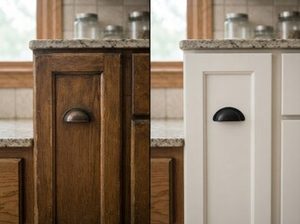
A well-renovated kitchen is a huge selling point for rental properties. However, full kitchen remodels can be costly and time-consuming. Fortunately, there’s an alternative to a complete kitchen renovation: cabinet refacing. Refinishing keeps cabinets in good shape while enhancing them with modern finishes, door styles, and hardware. It’s also a more sustainable remodeling solution.

Cost-Effective

San Jose Cabinet Refinishing is a cost-effective solution for rental properties, especially when compared to a full cabinet replacement project. It saves 30-50% compared to ripping everything out and starting from scratch, making it a viable option for owners that are looking to update the look of their investment property without blowing their budget. The ability to keep renovation costs down while still delivering a substantial aesthetic impact allows landlords to command higher rental rates and maintain occupancy.

For example, a single unit kitchen upgrade with new doors and drawer fronts can cost less than $10,000, while a complete kitchen replacement would require more than $22,000 in materials alone. The savings come from not having to purchase a brand-new set of cabinets and the elimination of the cost of disposing of the old ones. In addition, a contractor that offers refinishing services can save even more by utilizing your existing cabinet boxes and only replacing the outer shell with fresh veneer or laminate (but not the interior).

Additionally, cabinet refacing is a sustainable solution, reducing landfill waste by keeping as much of the old material as possible. This is an important point for many today’s environmentally-conscious renters, who are willing to pay more for a modern, clean property.

Refinishing also minimizes the disruption to tenants, as opposed to a full-scale renovation that would result in significant dust, construction noise, and potential vacancies. Ideally, cabinet refinishing should take just 1-3 days on-site, which is much shorter than the weeks or months that are required for a typical full renovation.

A key to successful cabinet refinishing is ensuring that your doors and drawers are in good condition. They should be free of damage and not warped or rotting. If they are, the surface needs to be repaired with wood filler or sanding before being stained or painted. Additionally, thermofoil or laminate doors won’t work for refinishing; these surfaces don’t absorb paint or stain well.

A professional refinishing company will be able to assess your space and provide you with a detailed cost estimate before starting the work, which can help you stay on budget and avoid unexpected surprises. A good contractor will communicate clearly with you throughout the process, explaining how the work will occur and what you can expect in terms of timelines, mess, and disruption to your tenants.

Time-Saving

If your rental properties’ cabinets look outdated but their structural integrity is still good, refinishing may be the best solution. This process is cheaper and much faster than a full kitchen remodel. A professional Roseville painter can give your cabinets a fresh, updated look that’s sure to attract tenants. The key to a successful cabinet refinish is prep work and careful application. A sloppy job can ruin the finish and derail your renovation timeline. An experienced contractor can use industrial-grade sprayers and primers to achieve a smoother, longer-lasting finish that resists moisture, grease, and wear, especially important in rental homes.

Refinishing is a great option for landlords who don’t want to spend the time and money on a full renovation but need to attract tenants and boost property value. It’s also ideal for properties with older, classic doors that won’t look modern with a new color. Refinishing requires careful work to remove or strip the old paint or stain, repair damages, and sand the surfaces. The sanding is particularly challenging, and it can be tricky to do well if your doors have detailed profiles or edges. If you go from a light to dark color, it’s especially difficult to match the exact shade, and it can be expensive to send maintenance workers out to fix mistakes.

While refinishing is a fast and affordable solution, it’s not the right choice for all properties. If your existing doors are thermofoil (a vinyl wrap that tends to peel when exposed to heat) or laminate, they can’t be refinished. The same goes for drawer fronts – you’ll need to replace them with something more durable, like wood or MDF.

A full kitchen remodel is costly and disruptive to your tenants, but it’s worth the investment if you’re planning to sell in the near future. A fresh, updated kitchen is a top selling point for any home, and it’s one of the fastest ways to add resale value. If your cabinets are in good shape but the door and drawer fronts are outdated, refacing is an excellent option. It’s like putting a new skin on your old cabinets, saving 30-50% compared to replacing everything and creating a whole new look.

Long-Lasting

Keeping your rental property’s kitchens fresh and appealing can help you attract and keep great tenants. But a full kitchen remodel can be costly, especially for landlords who need to stay within a budget. That’s why cabinet refinishing for Roseville properties is such an attractive option: it boosts appeal, saves time and money, and is long-lasting when done correctly.

Cabinet refinishing involves keeping your existing cabinet boxes but replacing all the visible parts – doors and drawer fronts, as well as hardware. This typically saves 30-50% compared to installing new cabinets, making it a wise investment for your rental property. Plus, you get that modern look today’s tenants crave.

It’s important to note that refinishing does not work on cabinet boxes with severe damage, warping, or water-damage. It’s also not a good option if you want to change the layout of your cabinets, or if you prefer a dark stain that will show stains and scratches easily.

Refinishing your cabinets requires a lot of work and careful attention to detail. It involves stripping and sanding the doors and drawer fronts down to raw wood, then applying a new stain or paint. To do it properly, you’ll need chemical removers, a lot of sanding, and the right tools for the job. If you’re not experienced with DIY home improvement projects, refinishing can be a headache and a huge risk. A mishap could ruin the doors and leave them unusable for months, further delaying your rental property’s return on investment.

Installing new cabinet doors and drawer fronts can cost thousands of dollars, so it’s a good idea to hire a contractor with plenty of experience working on homes and apartments. You’ll likely be able to find one in your area who can work quickly and efficiently. This will save you both time and money, and ensure a professional finish that is durable enough to stand up to years of wear and tear.

Landlords who choose to refinish their cabinets often say it’s the best decision they’ve ever made. It’s an affordable way to upgrade a kitchen, and it looks just as appealing as a complete replacement. And because it doesn’t involve breaking your lease contract by removing walls or changing the plumbing, it’s an effective way to keep your tenants happy while you’re renovating.

Attractive

Cabinet refinishing gives your rental property an updated, stylish look that can attract and retain high-quality tenants. It also boosts resale value, and can even help you justify higher rental rates. As a result, refinishing is a great investment for Roseville landlords who want to maximize their return on investments.

In a competitive rental market, first impressions are everything. Having outdated or damaged cabinets can significantly lower a potential tenant’s impression of your property. Cabinet refinishing allows you to update your kitchen to a more modern style that will appeal to renters looking for a well-maintained and attractive living space.

The cabinet refinishing process keeps your existing cabinet framework (the boxes mounted on the walls) and replaces only the parts that are visible – like the doors, drawer fronts, and hardware. This makes it a cost-effective option, saving 30-50% compared to replacement. In addition, refinishing is environmentally friendly, reducing waste and conserving wood and other materials.

While DIY cabinet refinishing is possible, it’s often time-consuming and difficult to do correctly. It’s important to work with a professional in Roseville to ensure your cabinets are properly prepared and painted or stained, so they last long and look appealing. Refinishing requires stripping or sanding down the existing finish, and it can be tricky to get a smooth and even finish without damaging the wood.

It’s also not a good idea to stain your rental property cabinets yourself. Staining is a labor-intensive and messy project, and you could ruin the doors if you don’t do it properly. Professional refinishers use chemical removers and lots of sanding to prepare the surface for new paint or stain. They can also offer a variety of color options that will appeal to renters, including neutral whites and beiges as well as trendy two-tone finishes.

Kitchen cabinet refinishing is a cost-effective and quick way to improve the appearance of your rental property and attract and retain high-quality tenants. It’s also a smarter and more durable option than replacing your cabinets, so it’s worth the investment for landlords in Roseville.