Metal fabrication is more than just shaping raw materials into finished products; it is an industry filled with diverse career paths, specialized skills, and long-term growth opportunities. As modern industries continue to evolve, the demand for skilled professionals in metal fabrication remains strong. From creating structural components to crafting custom-designed pieces, fabrication professionals play a vital role in building and maintaining the world around us. The field attracts individuals who enjoy working with their hands, solving technical challenges, and contributing to projects that have real-world impact.
One of the reasons metal fabrication offers such a wide range of job opportunities is the complexity of the production process itself. Every project begins with an idea that must be transformed into a precise, functional design. This process requires a variety of professionals, each bringing a unique set of skills to the table. Some workers focus on planning and design, while others specialize in operating machinery, welding components, or assembling finished products. The collaborative nature of fabrication creates a dynamic environment where teamwork and technical knowledge go hand in hand. Learn more by visiting https://www.83metalcraftboise.com/.
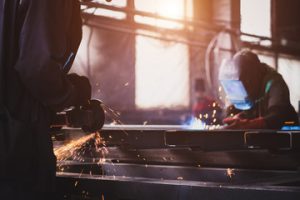
At the entry level, many individuals begin their journey in metal fabrication through hands-on roles that provide practical experience with tools and materials. These positions allow workers to develop a deep understanding of how metal behaves during cutting, bending, and welding processes. Over time, employees often advance into more specialized roles as they gain confidence and technical expertise. This progression makes fabrication an appealing career path for those who value continuous learning and professional growth.
Technology has significantly influenced the types of jobs available within metal fabrication. Modern fabrication shops often rely on digital design tools, automated machinery, and advanced welding techniques to improve accuracy and efficiency. As a result, the industry now offers opportunities that blend traditional craftsmanship with modern technology. Individuals with an interest in engineering concepts or computer-aided design can find rewarding roles that combine creativity with precision. At the same time, hands-on tradespeople remain essential to ensure quality control and proper execution of complex projects.
Some of the most common job roles in metal fabrication highlight the diversity of the field:
Metal fabricators and assemblers: These professionals cut, shape, and assemble metal components based on detailed specifications, ensuring that each piece fits perfectly within a larger structure.
Welders: Skilled welders join metal parts together using specialized techniques that require precision, patience, and a strong understanding of safety practices.
Machine operators: These workers manage advanced equipment that performs cutting, bending, or forming tasks, maintaining consistency and efficiency throughout production.
Design technicians: Using digital modeling tools, design professionals create blueprints and simulations that guide the fabrication process from start to finish.
Each of these roles contributes to the success of fabrication projects, demonstrating how teamwork and specialization drive the industry forward.
Another important aspect of jobs in metal fabrication is the emphasis on skill development. Unlike many careers that rely solely on academic knowledge, fabrication places a strong focus on hands-on training. Workers often learn by doing, gaining experience through real-world projects that challenge their abilities and encourage problem-solving. Apprenticeships and on-the-job training programs allow newcomers to develop technical skills while earning a living, making fabrication an accessible option for individuals who prefer practical learning environments.
Safety plays a critical role in fabrication jobs, and professionals in the field are trained to handle tools and materials responsibly. Protective equipment, proper ventilation, and adherence to established procedures help reduce risks while ensuring a productive workspace. Over time, workers become highly aware of best practices, developing habits that prioritize both personal safety and the quality of their work. This focus on safety not only protects employees but also reinforces the professionalism and discipline required in the industry.
As fabrication technology continues to evolve, the industry has seen a growing demand for specialized knowledge. Modern fabrication shops often incorporate automation and digital systems that require workers to understand both mechanical processes and technical software. This shift has created new career paths for individuals interested in combining traditional trades with advanced technology. Those who invest in learning new skills often find opportunities for advancement, taking on leadership roles or managing complex projects.
Beyond technical skills, soft skills also play a significant role in fabrication careers. Communication, teamwork, and attention to detail are essential for ensuring that projects run smoothly from concept to completion. Workers must interpret design plans accurately, coordinate with colleagues, and adapt to changing project requirements. The ability to think critically and solve unexpected problems is highly valued, as fabrication projects often involve unique challenges that require creative solutions.
Another appealing aspect of jobs in metal fabrication is the variety of industries they support. Fabricated metal components are used in construction, manufacturing, transportation, and design applications, among others. This broad reach means that workers have the opportunity to explore different types of projects throughout their careers. Some professionals may focus on structural fabrication, while others specialize in artistic metalwork or precision components. The diversity of projects keeps the work engaging and allows individuals to develop a wide range of skills.
Career growth in metal fabrication often follows a progression based on experience and specialization. Entry-level workers can advance into supervisory or technical roles as they build expertise. For example, a machine operator might transition into a programming or maintenance role, while a welder could move into inspection or quality assurance. Leadership positions are also available for those who demonstrate strong organizational skills and a deep understanding of fabrication processes. This upward mobility makes fabrication an appealing long-term career choice.
Several qualities can help individuals succeed in metal fabrication careers:
Attention to detail: Precision is essential when working with metal components, as even small errors can affect the overall structure.
Mechanical aptitude: Understanding how tools and machines operate helps workers perform tasks efficiently and safely.
Adaptability: As technology evolves, professionals must be willing to learn new techniques and embrace innovation.
Strong work ethic: Fabrication projects often require patience and dedication, especially when working on complex designs.
These qualities highlight the blend of technical and personal attributes needed to thrive in the industry.
The rise of customization has also influenced the types of jobs available in metal fabrication. As clients seek unique designs and tailored solutions, fabrication professionals are often involved in collaborative projects that require creative input. This trend has expanded opportunities for designers, artists, and craftspeople who want to explore the artistic side of metalwork. Custom fabrication allows workers to experiment with new ideas while delivering functional results, making the field both technically challenging and creatively rewarding.
In addition to creative opportunities, metal fabrication offers stability and long-term potential. As infrastructure continues to develop and industries require durable materials, the need for skilled fabricators remains consistent. Many workers appreciate the tangible nature of the job, where they can see the results of their efforts in finished structures or products. This sense of accomplishment contributes to job satisfaction and reinforces the value of skilled trades in modern society.
Education and training pathways for metal fabrication careers vary depending on the role. Some individuals pursue technical courses that introduce them to welding, machining, or design principles, while others enter the field through apprenticeships that provide hands-on experience from day one. Continuous learning is common, as professionals often attend workshops or training sessions to stay updated on new technologies and industry standards. This commitment to growth ensures that workers remain competitive and capable of handling evolving project demands.
Looking toward the future, jobs in metal fabrication are likely to expand as new technologies emerge. Automation, digital modeling, and advanced materials are reshaping the industry, creating opportunities for individuals who are willing to adapt and innovate. While machines can improve efficiency, the expertise of skilled professionals will always be essential for overseeing processes, ensuring quality, and bringing creative visions to life. The balance between technology and human craftsmanship will continue to define the future of fabrication careers.
Ultimately, metal fabrication offers a unique blend of practicality, creativity, and innovation. Whether someone is interested in hands-on craftsmanship, technical design, or advanced machinery, the industry provides a pathway to meaningful and rewarding work. The variety of roles, opportunities for growth, and constant evolution of technology make fabrication an exciting field for those who enjoy building, creating, and problem-solving.
As industries continue to change and new challenges arise, the importance of skilled fabrication professionals will remain strong. Jobs in metal fabrication represent more than just employment; they embody the spirit of craftsmanship and the pursuit of excellence. By combining traditional skills with modern innovation, workers in this field help shape the structures, products, and designs that define modern life. For those seeking a career that offers both stability and creativity, metal fabrication stands as a powerful and enduring choice.
Visit our Professional Services Blogs
Hialeah Tree Care, SASA Net, Scoop Medias, Durant Tree Care, Medellin Landscape Solutions, Oakland Lawn Mowing, Wisconsin Lawn Sprinkler, Schoettler Home Improvements, Siding Options Home, Bilbao Architecture Design