Bathroom Remodeling Lexington KY project is one of the most impactful upgrades you can make to your home. Beyond improving aesthetics, a well-planned renovation enhances functionality, increases property value, and can even contribute to better energy efficiency. However, without a clear roadmap, what begins as an exciting upgrade can quickly become overwhelming. Planning a bathroom remodel from start to finish requires a strategic approach that balances design vision, budget control, and practical execution.
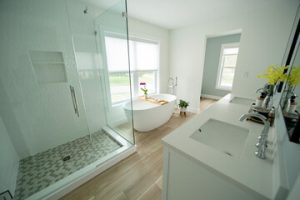
The first step in any successful bathroom remodeling project is defining your goals. Before you start browsing fixtures or choosing tile patterns, you need to understand what you want to achieve. Are you upgrading for resale value, improving accessibility, or simply modernizing an outdated space? Each objective will influence your decisions, from layout changes to material selection. For instance, a bathroom intended for relaxation may prioritize spa-like features such as soaking tubs and ambient lighting, while a family bathroom may focus more on durability and storage.
Once your goals are clear, the next phase is setting a realistic budget. This is where many projects either succeed or fail. A well-structured budget should account for all aspects of the remodel, including materials, labor, permits, and a contingency fund for unexpected expenses. It is advisable to allocate at least 10–20% of your total budget for unforeseen issues, such as plumbing repairs or structural adjustments that only become visible during demolition. Budget planning is not just about limiting costs—it’s about making informed decisions on where to invest and where to save.
After establishing a budget, you can move into the design and planning stage. This is where your ideas begin to take shape. Start by assessing your current bathroom layout. Consider what works and what doesn’t. Do you need more storage? Is the lighting adequate? Would relocating fixtures improve usability? While keeping plumbing lines in their existing positions can reduce costs, sometimes reconfiguring the layout significantly enhances the space’s efficiency. At this stage, creating a detailed floor plan—either digitally or on paper—can help visualize the final result.
Material selection is another critical component of the planning process. Bathrooms are high-moisture environments, so choosing durable, water-resistant materials is essential. Flooring options like porcelain tiles, natural stone, or waterproof vinyl are popular choices due to their resilience. Similarly, cabinetry should be made from materials that can withstand humidity, and countertops should be both stylish and easy to maintain. Fixtures such as faucets, showerheads, and toilets should not only match your design aesthetic but also offer long-term performance and efficiency.
When planning your remodel, it’s important to consider the following key elements:
- Lighting Design: A combination of task, ambient, and accent lighting creates a balanced and functional space. Proper lighting around mirrors is especially important for daily routines.
- Ventilation: Adequate ventilation prevents mold and moisture damage. Installing a high-quality exhaust fan is a practical investment.
- Storage Solutions: Built-in shelves, vanity cabinets, and recessed niches help maximize space without cluttering the room.
- Water Efficiency: Modern fixtures with water-saving features can reduce utility bills while supporting sustainability.
With your design and materials finalized, the next step is hiring professionals or deciding on a DIY approach. While some homeowners may be comfortable handling minor updates, a full-scale bathroom remodel often requires skilled tradespeople, including plumbers, electricians, and tile installers. Hiring experienced professionals ensures that the work meets safety standards and building codes. It also minimizes the risk of costly mistakes that could arise from improper installation.
Before construction begins, securing the necessary permits is crucial. Regulations vary depending on the scope of the project, but any changes involving plumbing, electrical systems, or structural modifications typically require approval. Skipping this step can lead to fines or complications when selling your home in the future. Proper documentation not only protects your investment but also ensures that the work is carried out legally and safely.
Demolition marks the beginning of the physical transformation. This phase involves removing old fixtures, tiles, and sometimes even walls. While it may seem straightforward, demolition must be done carefully to avoid damaging underlying structures or utilities. Once the space is cleared, the focus shifts to rough-in work, which includes updating plumbing and electrical systems. This stage lays the foundation for the new bathroom and must be completed with precision.
Following the rough-in phase, the installation process begins. This typically includes installing drywall, flooring, cabinetry, and fixtures. Each step should be executed in the correct sequence to ensure a seamless result. For example, flooring is often installed before cabinetry, while painting is usually completed before fixtures are mounted. Attention to detail during installation is what ultimately defines the quality of the finished space.
As the project nears completion, finishing touches bring the design together. This includes installing mirrors, lighting fixtures, hardware, and decorative elements. While these details may seem minor, they play a significant role in the overall look and feel of the bathroom. Choosing cohesive finishes—such as matching metal tones or complementary color palettes—creates a polished and harmonious appearance.
To ensure a smooth remodeling process, keep these practical tips in mind:
- Create a Timeline: Establish a realistic schedule for each phase of the project. Delays can happen, but having a timeline helps keep everything on track.
- Communicate Clearly: Maintain open communication with contractors and suppliers to avoid misunderstandings.
- Order Materials Early: Delays in material delivery can stall the project, so plan ahead and order items in advance.
- Prepare for Disruption: Bathroom remodeling can temporarily disrupt your daily routine, so make alternative arrangements if needed.
One often overlooked aspect of bathroom remodeling is future-proofing. Designing with the future in mind can save time and money in the long run. Features such as walk-in showers, non-slip flooring, and accessible fixtures can accommodate changing needs over time. Even if these elements are not immediately necessary, incorporating them into your design adds long-term value and convenience.
Energy efficiency is another important consideration. Modern bathrooms can be designed to reduce both water and energy consumption. Installing LED lighting, low-flow toilets, and water-efficient showerheads not only lowers utility bills but also contributes to environmental sustainability. These upgrades are increasingly appealing to homeowners who prioritize eco-friendly living.
Throughout the remodeling process, maintaining flexibility is key. Unexpected challenges are almost inevitable, whether it’s discovering outdated wiring or encountering structural limitations. Being prepared to adapt your plans while staying within your budget ensures that the project continues moving forward without unnecessary stress.
Finally, once the remodel is complete, take the time to inspect every detail. Check that all fixtures are functioning properly, ensure that finishes meet your expectations, and confirm that the work aligns with your original plan. Addressing any issues immediately allows for quick resolution and ensures that you can fully enjoy your newly renovated space.
In conclusion, planning a bathroom remodeling project from start to finish requires a comprehensive approach that combines vision, organization, and execution. From defining your goals and setting a budget to selecting materials and overseeing construction, each step plays a vital role in achieving a successful outcome. By approaching the process methodically and making informed decisions along the way, you can transform your bathroom into a space that is both functional and visually appealing. A well-executed remodel not only enhances your daily routine but also adds lasting value to your home.